Not every testing task requires AI
Not every exam question requires machine learning. And some are unsolvable without it. The real challenge lies in knowing which of the two is the case.
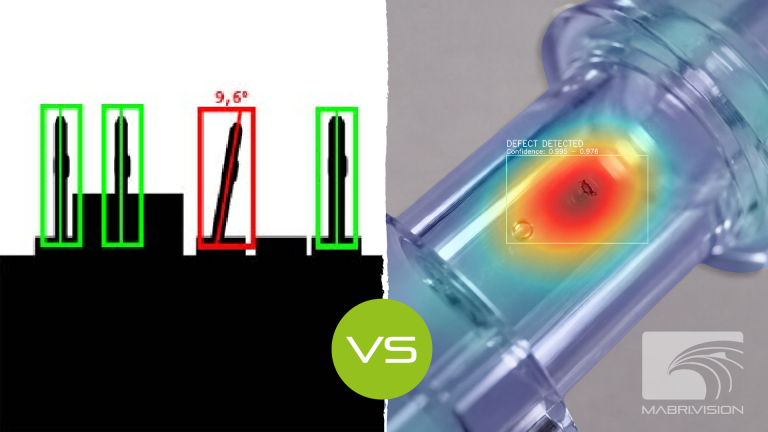
Not every exam question requires machine learning. And some are unsolvable without it. The real challenge lies in knowing which of the two is the case.
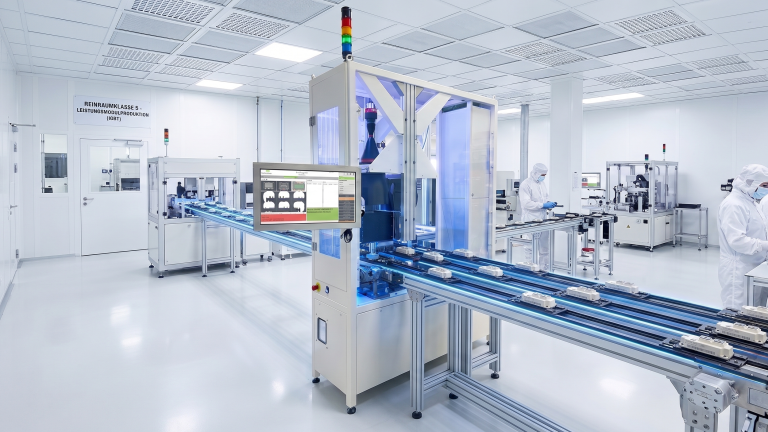
A year full of testing tasks is coming to an end. We thank everyone who entrusted us with their components – and wish you a Merry Christmas.
Conclusion: Machine vision is fundamentally changing quality assurance. Automated image processing systems enable more precise, faster, and more consistent inspection processes. They create the foundation for data-driven optimization in manufacturing and set new standards in efficiency and product quality. Companies that adopt machine vision early on secure measurable efficiency gains, reduced scrap, and a significantly strengthened market position – today and in the future

What are the limits and challenges of machine vision? Machine vision is powerful – but not a sure thing. The systems require careful planning and adaptation to specific requirements. Influencing factors such as fluctuating lighting, complex surfaces, or a high degree of product variety can impair recognition accuracy. The solution? Experience, a sound understanding of the system, and modern approaches such as AI-supported image analysis. Because: With intelligent…
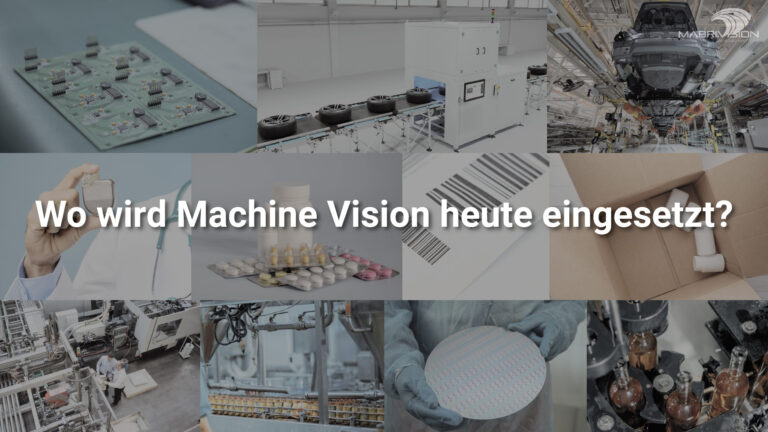
Where is machine vision used today? Machine vision is used in a wide variety of industries, including: Medical technology: testing miniaturized implants, diagnostic systems, or pharmaceutical packaging. Automotive industry: inspection of body parts, electronic components, or safety-relevant parts. Semiconductor and microelectronics: inspection of wafers, chips, and circuit boards at the micrometer level. Packaging industry: testing of labels, closures, or packaging integrity. Food…
5 Advantages of Machine Vision in Quality Assurance: Higher Precision and Repeatability: Machine vision systems operate independently of human factors such as fatigue or subjective perception. They inspect products with consistent accuracy, even with high production volumes and small component sizes. Early Defect Detection: By integrating the system into the production process, defects can be detected at very early stages. Thus…
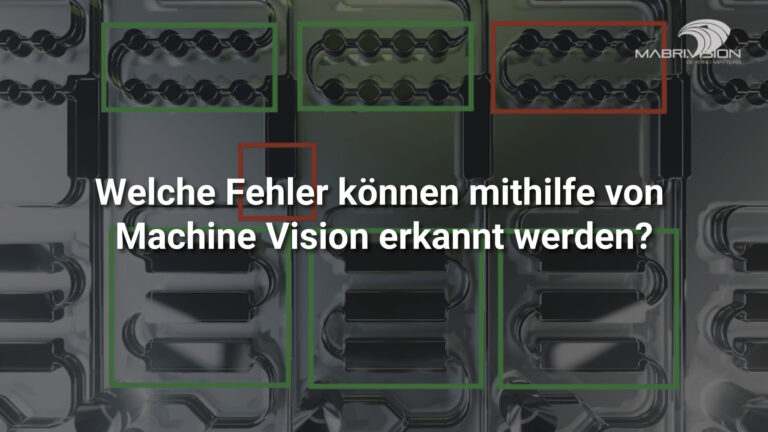
What defects can be detected using machine vision? Machine vision systems detect a wide variety of deviations – with a speed and accuracy that would be virtually impossible to achieve manually. These include, among others: geometric deviations (e.g., lengths, angles, radii), surface defects (scratches, cracks, inclusions), color or material differences, assembly errors (incorrect parts, missing components), particles or contaminants, and microscopic…
How do machine vision systems work? Machine vision refers to systems that capture images of products or processes, automatically analyze them, and derive decisions from this analysis. Unlike traditional image processing, MABRI.VISION's machine vision operates in real time, is highly flexible, and utilizes artificial intelligence and deep learning methods. This means the systems not only "see" but also interpret…
How Machine Vision is Changing Quality Assurance: The demands on industrial quality assurance are constantly increasing: Ever more complex products, tighter tolerances, and a growing need for traceability are putting increasing pressure on traditional testing methods. Machine vision – that is, automated image processing – is developing into a key technology. It enables precise, repeatable, and often fully integrated inspection of components – in real time, in…
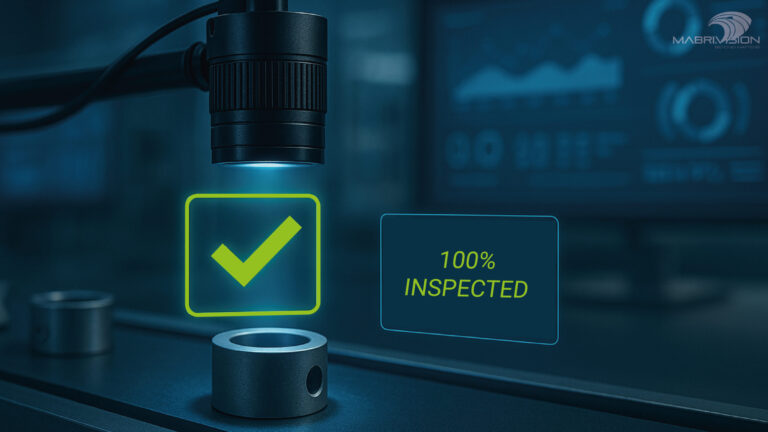
The Importance of Automated Quality Control: In an increasingly complex and competitive world, ensuring quality in all production and service processes is essential. It is more than just a means of error prevention – it is the key to long-term success and competitiveness. But why is it so crucial? Error prevention: A well-designed quality control system helps to…