Skills

Deep Learning

Our platform – Machine learning for industrial applications

MABRI.VISION has developed the DEEP.MV software platform for the application of modern deep learning and AI technologies in industrial environments. The platform combines all the necessary components and enables application at the factory level.

Deep Learning platform, machine learning application, deep learning

Applications

Our deep learning platform is ideally suited for applications where rule-based approaches are challenging or fail. This applies particularly to inspection applications with a wide range of variants and defect characteristics, such as varying surface and structural properties. The MABRI.VISION platform is optimally suited for applications where, due to complexity, inspection is primarily carried out manually using defect catalogs.

Classification | Detection and classification of objects and errors
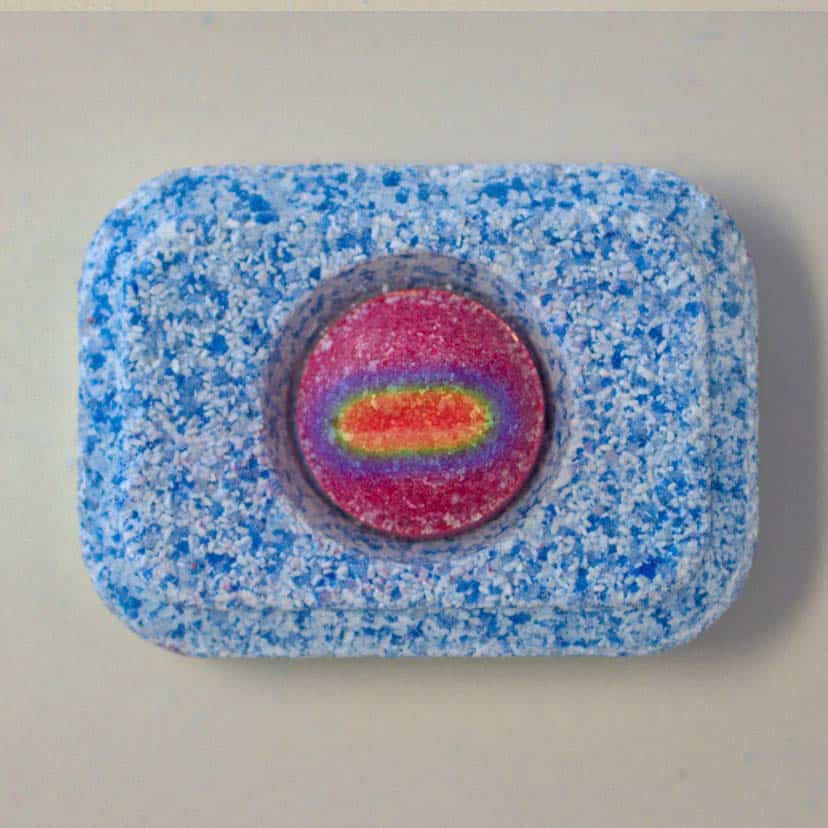
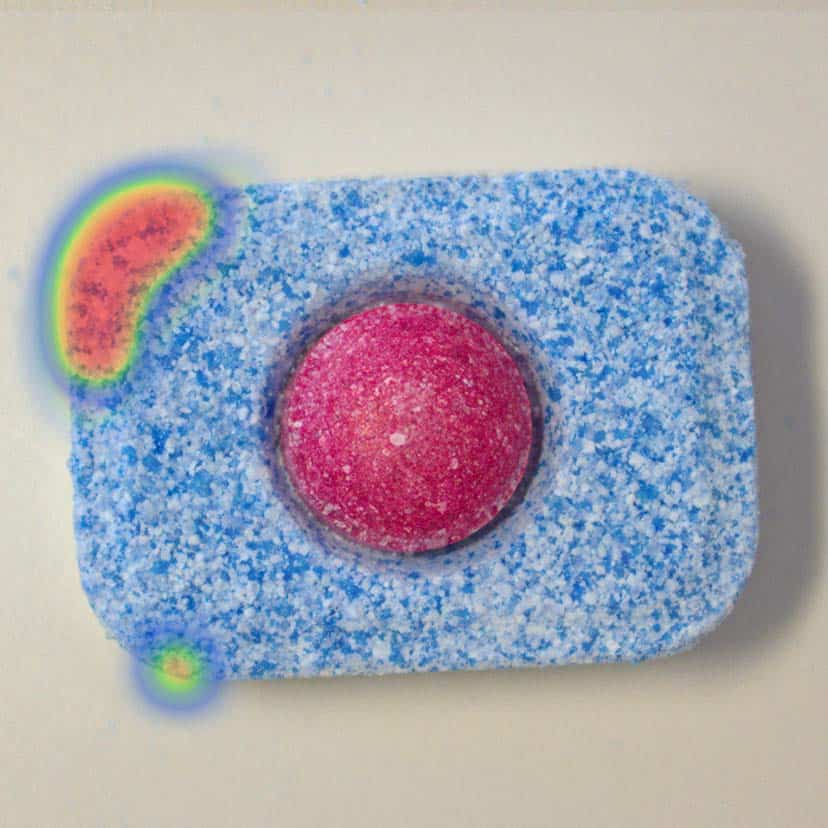
Classification forms the basis for many tasks in quality assurance. In practice, it eliminates the need for time-consuming data labeling – categorization of images is sufficient.

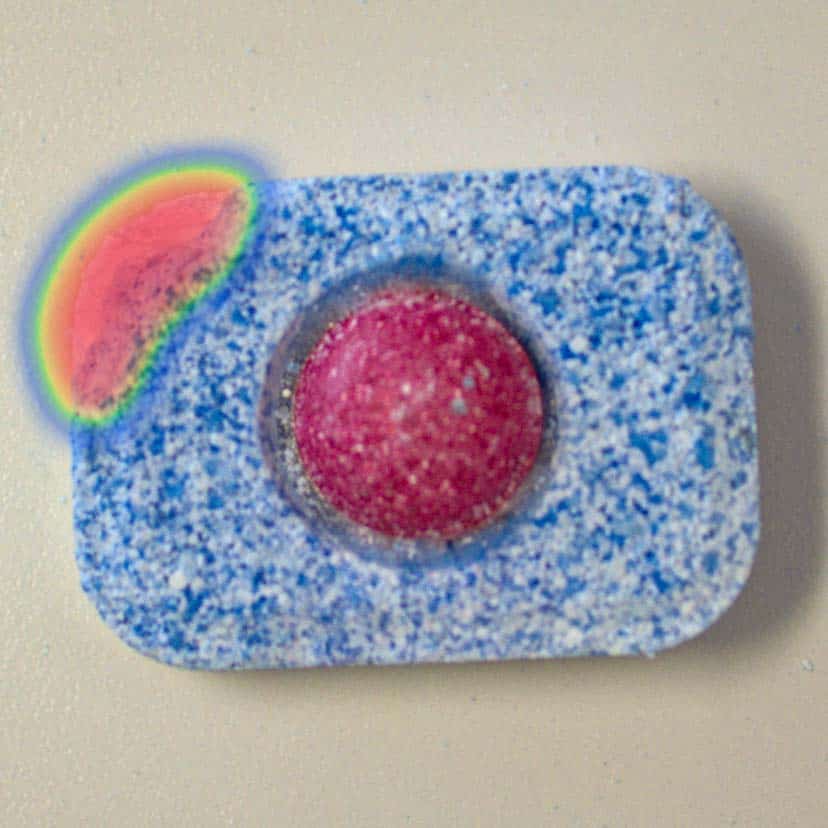
Error detection in dishwasher tablets

scratch
Dishwasher tablet with round insert and colored heatmap marking on it
opened
Dishwasher tablet with two colored heatmap markings on the left edge
niO.
Dishwasher tablet with large heatmap marking on the left edge

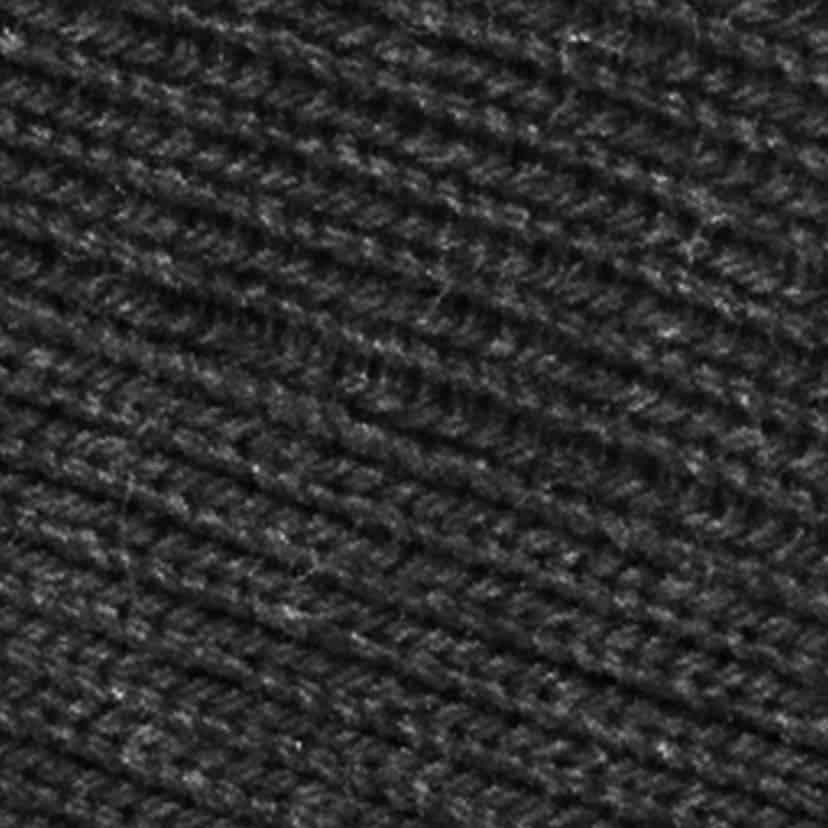
Web error

OK.
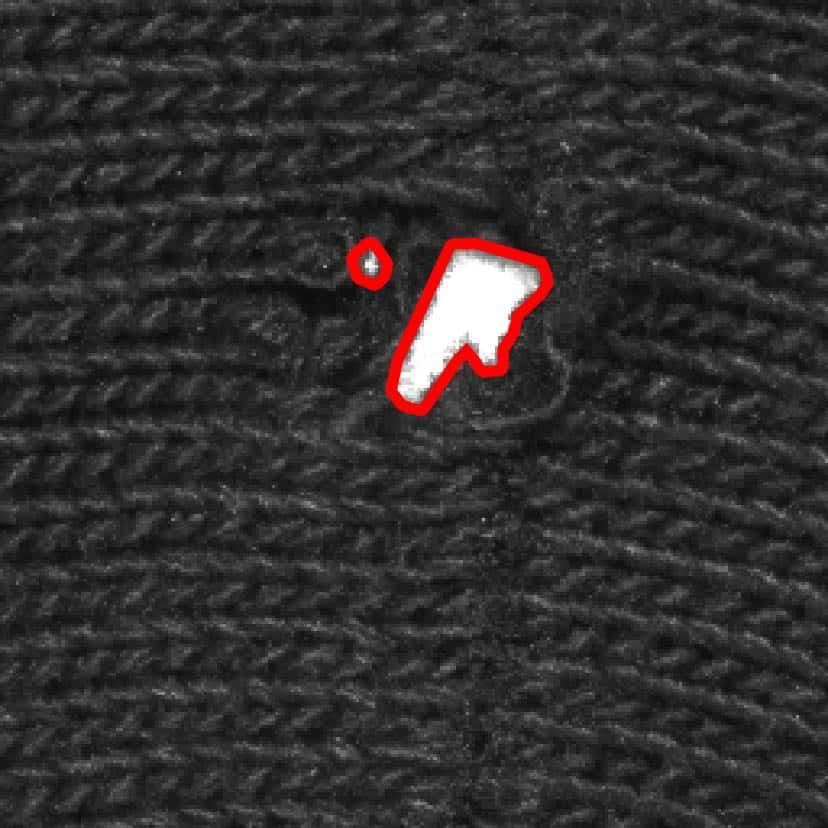
Close-up of a dark, finely knitted fabric
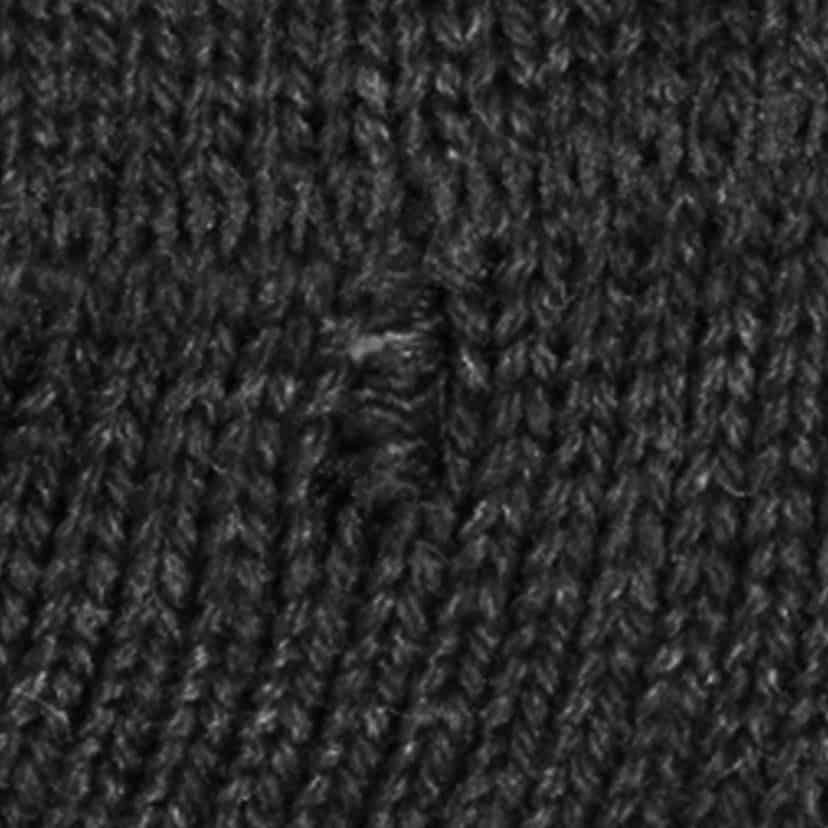
Web error
Deep Learning platform, machine learning application, deep learning
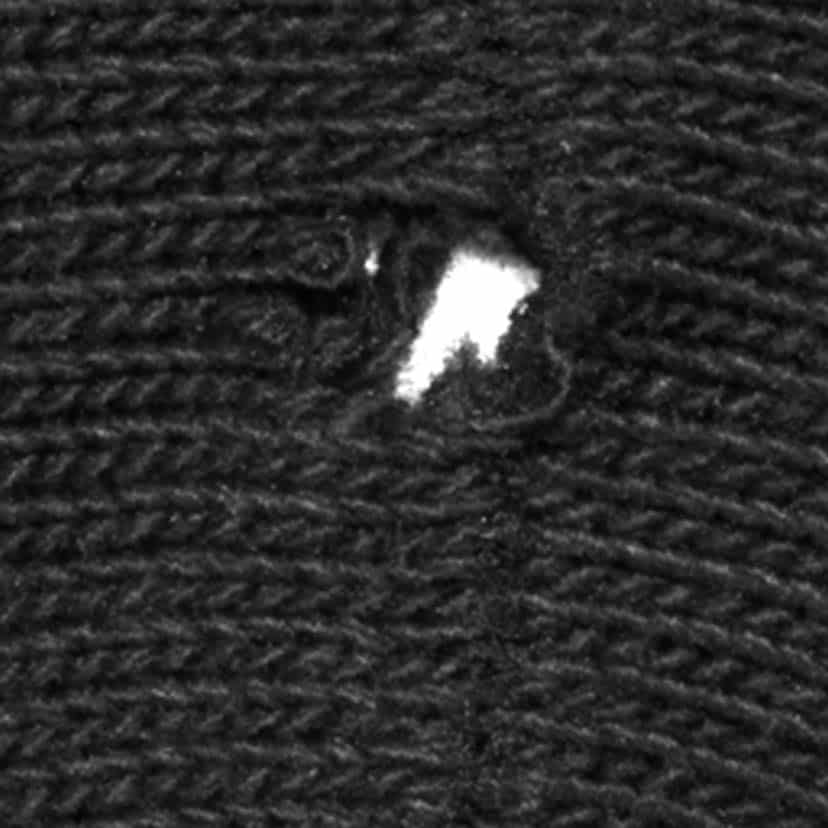
Hole
Deep Learning platform, machine learning application, deep learning
Completeness check
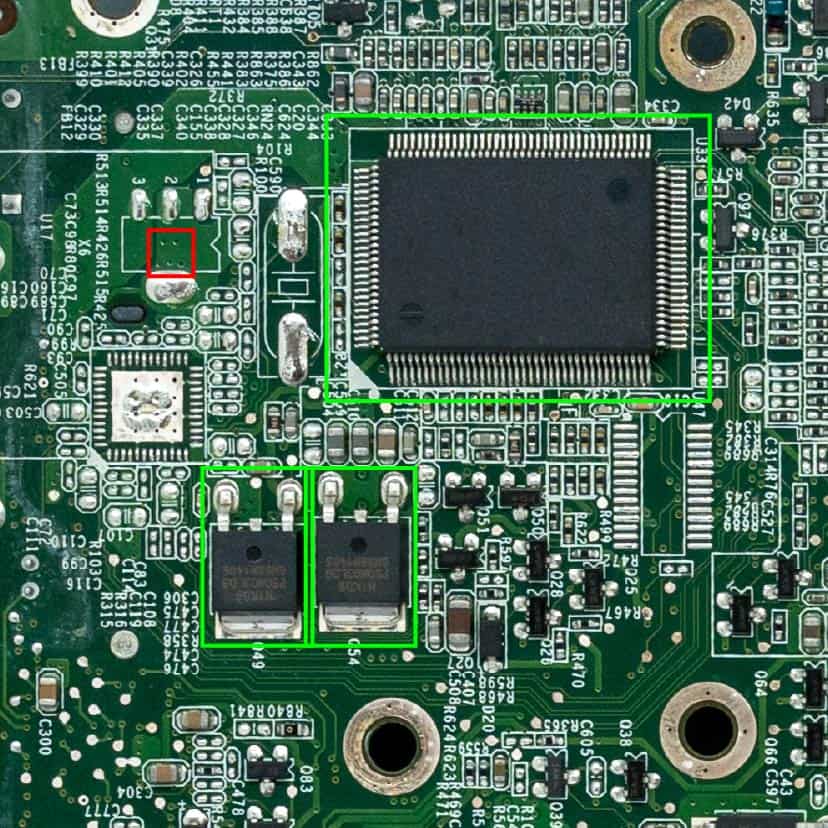
Circuit board with components marked green and red for completeness check
Location check
Caps with green marked areas and arrows for position identification.
Attendance check
Blister pack containing medical instruments and green markers for attendance verification
Injection molding defects
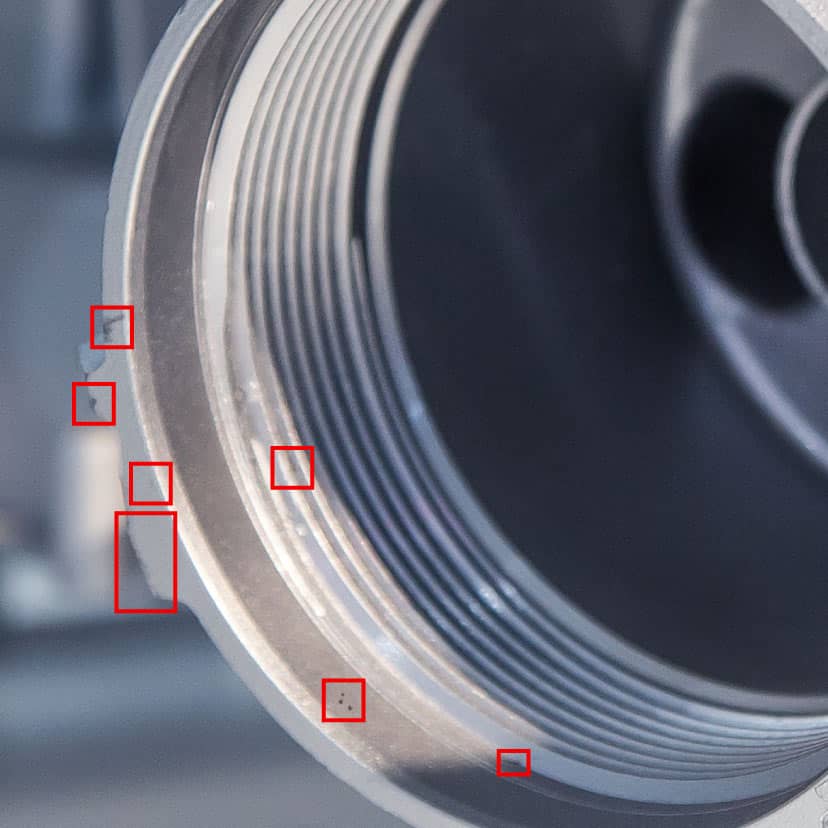
A comparison of two plastic spouts: one marked red, the other green
scratch
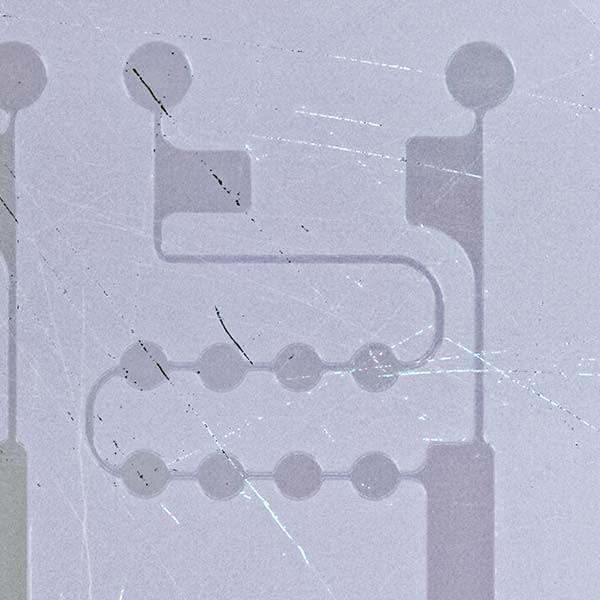
Close-up of a microfluidic chip with fine scratches on the surface
Pores and grooves
Machine vision methods, inspection, structures, surfaces, chip detection, pores

Segmentation is always important when objects, structures, or errors need to be identified and isolated very precisely. This information can be used, for example, for process optimization

chip detection
Machine vision methods, inspection, structures, surfaces, chip detection, pores
textiles
Machine vision methods, inspection, structures, surfaces, chip detection, pores
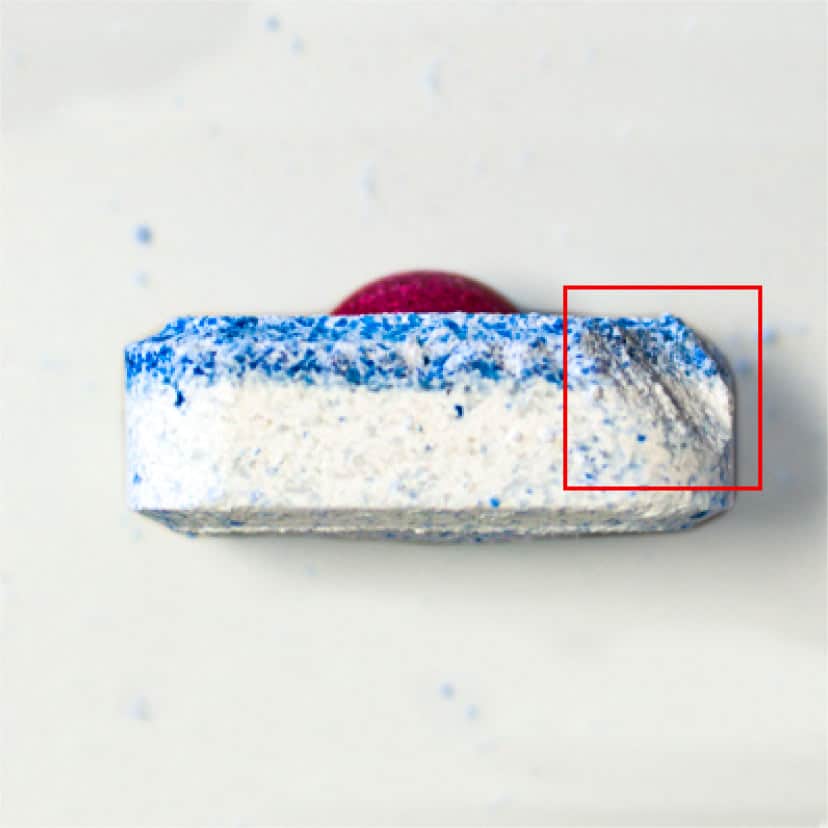
dishwasher tablets
Dishwasher tablet, side view with red marked area at one corner
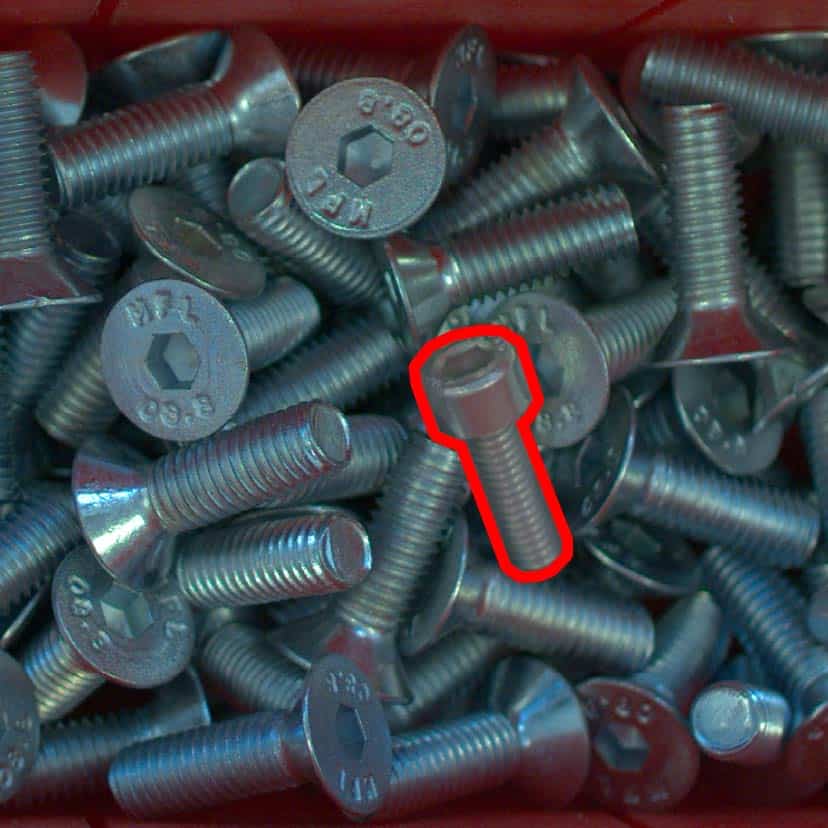
Incorrect sorting
A pile of screws with a different type of screw, marked in red
Foreign body
Walnut kernels with a foreign body marked in red between the nuts
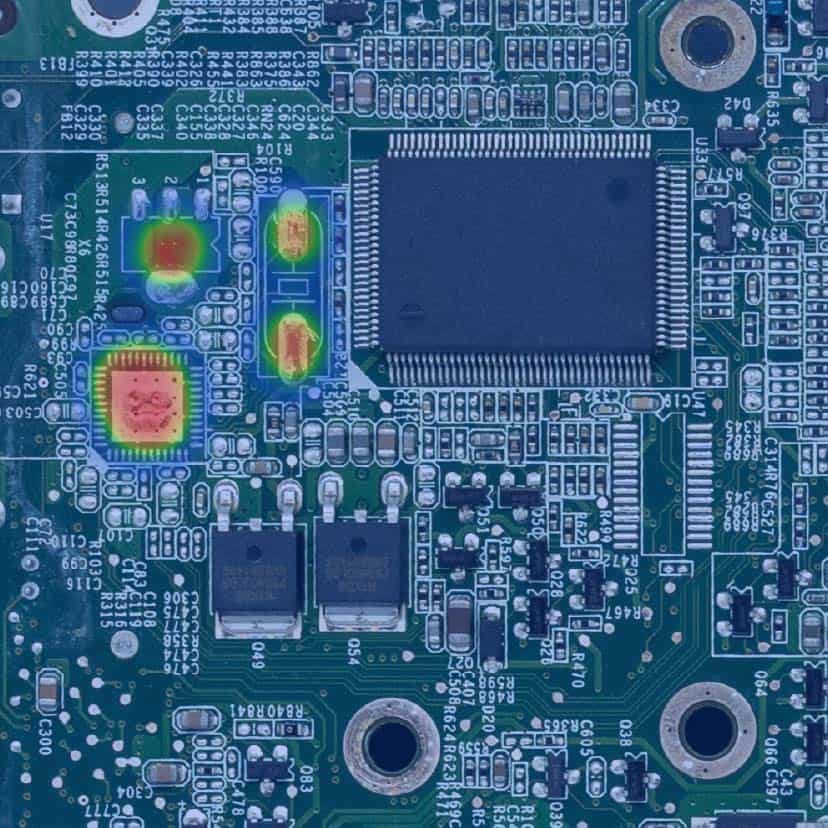
circuit boards
False-color image of a printed circuit board with marked anomalies on components.
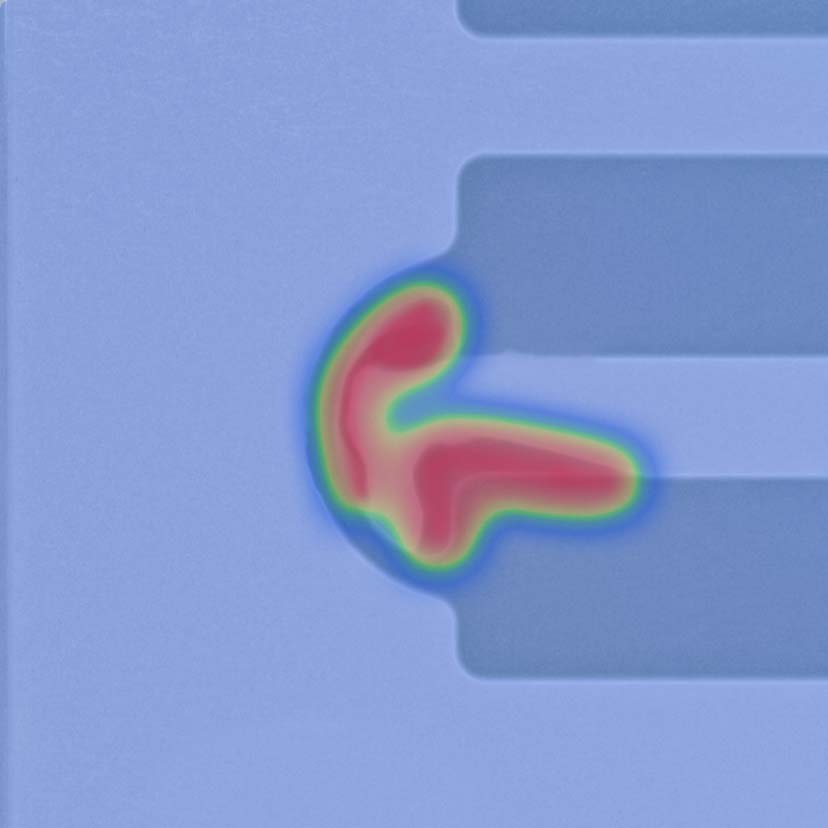
Microstructures
Microfluidic structure with colored heatmap labeling of an anomaly
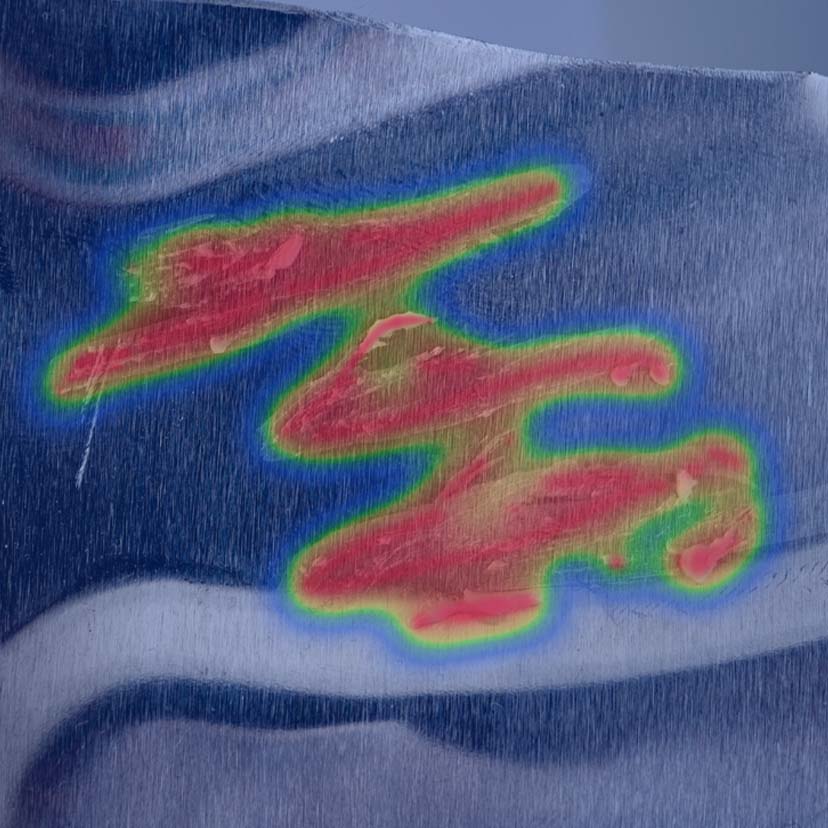
Surfaces (e.g. adhesive residue)
Brushed metal surface with multiple colored heatmap markings
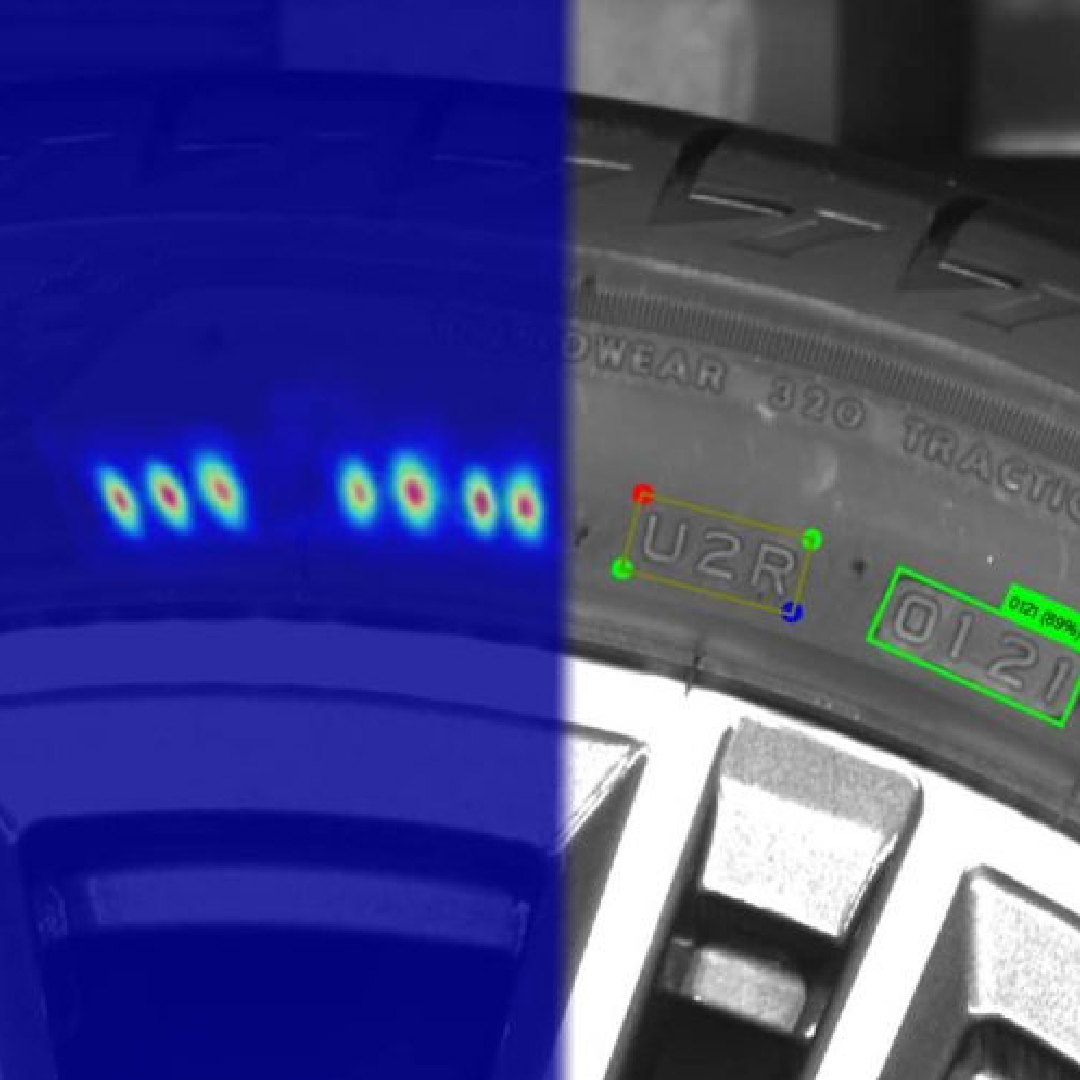
DOT code on tires
Tire sidewall with DOT code: Thermal image comparison and detected characters in green frames
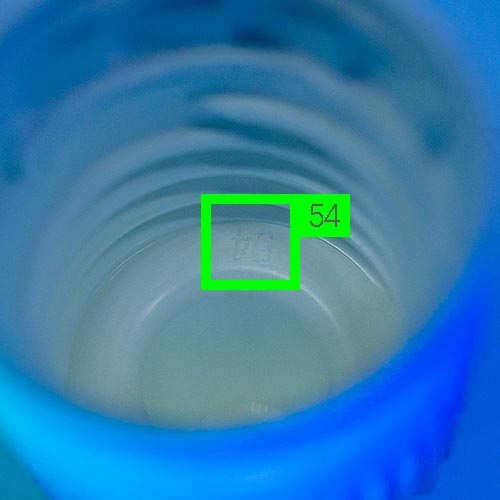
Character recognition
View into a bottle opening with the number 54 marked in green and read out

Your advantages

Everything from a single source

MABRI.VISION provides everything you need for your application. This eliminates the need for fragmented and isolated solutions that are incompatible and therefore difficult to maintain. In addition to the software application, we primarily supply the necessary sensor systems, testing platforms, and service for your production process.

Save money

Our streamlined AI platform enables cost-effective solutions for challenging industrial applications. This eliminates the need for manual and time-consuming testing steps.

Solving complex problems

Deep learning technology enables applications that are very challenging or cannot be satisfactorily solved using traditional image processing. This opens up entirely new possibilities in quality assurance.

The right solution

As a universal solution provider for optical production metrology, we carefully analyze your application. We only use our deep learning technologies when and to the extent that they are truly beneficial for your specific application. This prevents inaccurate results and excessive development costs. Furthermore, we cover all other essential components of quality assurance, such as calibration and traceability.

Stay flexible

One challenge of current industrial development trends is modular production with ever-shorter production cycles. Machine learning methods allow you to remain flexible and adapt your production autonomously.

Future-proof

The field of deep learning is advancing very rapidly. Our AI platform is therefore constantly being expanded and relies on established standards in research and development. This continuous development ensures that you will always be able to use the latest technologies in the future.

Real-world example

Machine learning methods are a good option wherever rule-based approaches are difficult to implement.

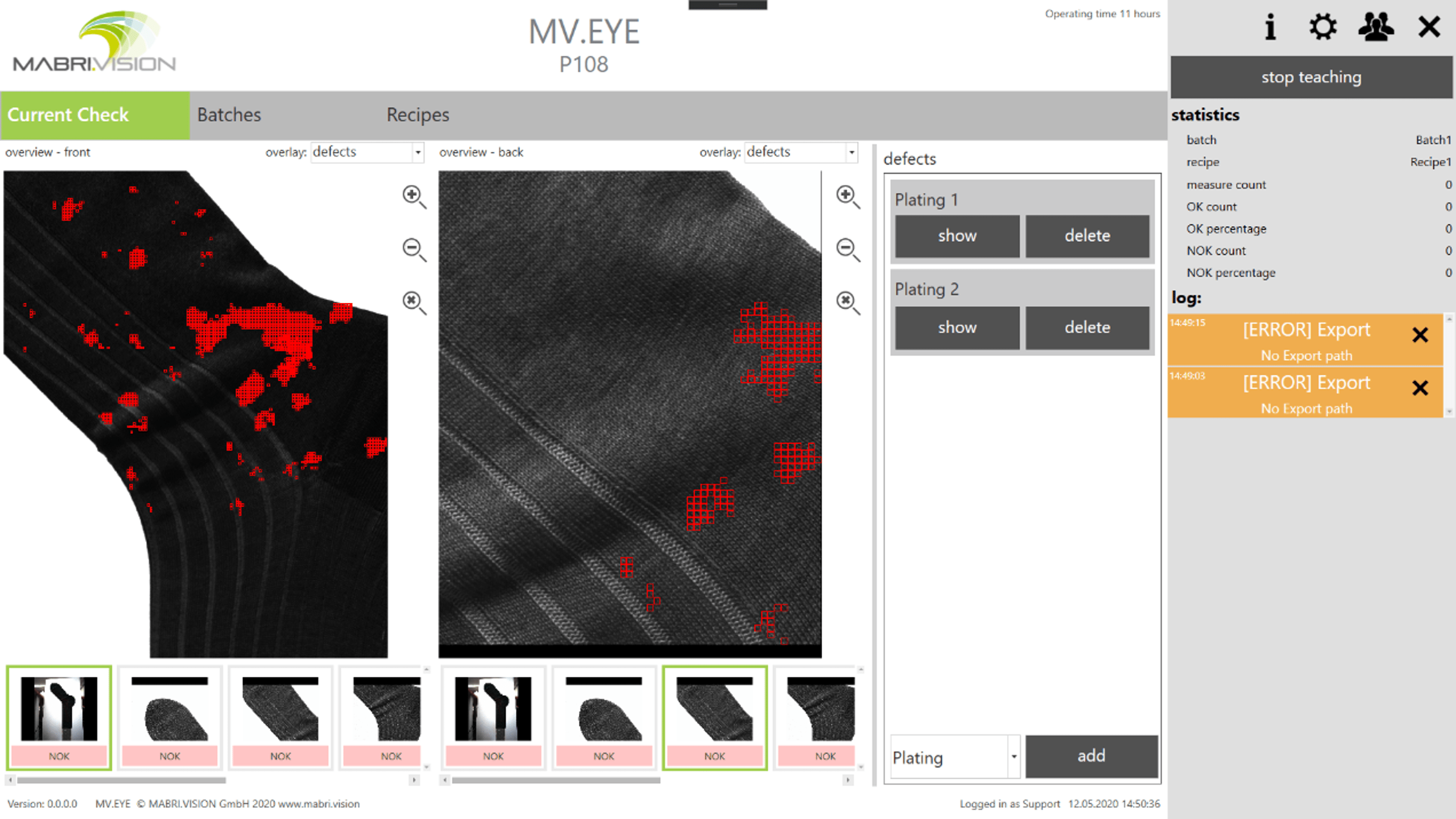
Error detection on socks

Deep Learning platform, machine learning application, deep learning

Web error

Deep Learning platform, machine learning application, deep learning

Hole

Deep Learning platform, machine learning application, deep learning

Defect detection on metal pipes

Deep Learning platform, machine learning application, deep learning

Span

Machine vision methods, inspection, structures, surfaces, chip detection, pores

Weld defect

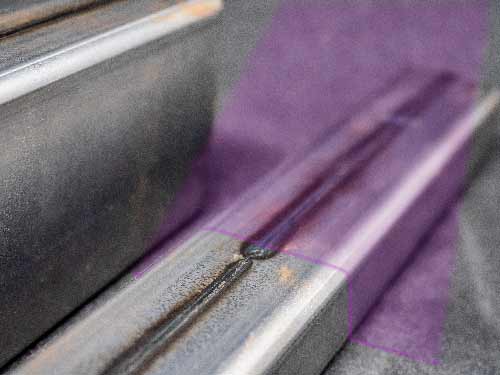
Image of a weld seam being inspected with a laser beam.

Process flow

Deep learning methods are based on artificial neural networks. These networks are inspired by (biological) neural networks, which are part of a nervous system. Artificial neural networks are structured in layers. A layer consists of several artificial neurons. Between an input and output layer are several hidden layers. The name "deep" neural network derives from these hidden layers.

Flowchart: Image acquisition, labeling, training, analysis, interference, result
Deep Learning platform, machine learning application, deep learning