For the application of modern deep learning and AI technologies in the industrial environment, MABRI.VISION has developed the software platform DEEP.MV. The platform combines all the necessary building blocks and enables use at plant level.
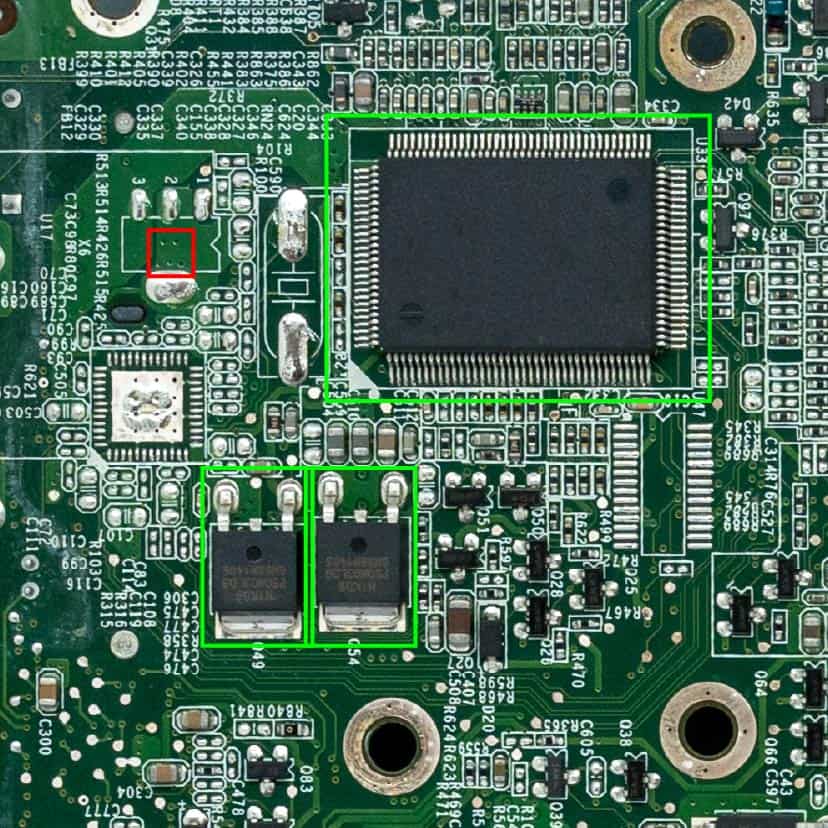
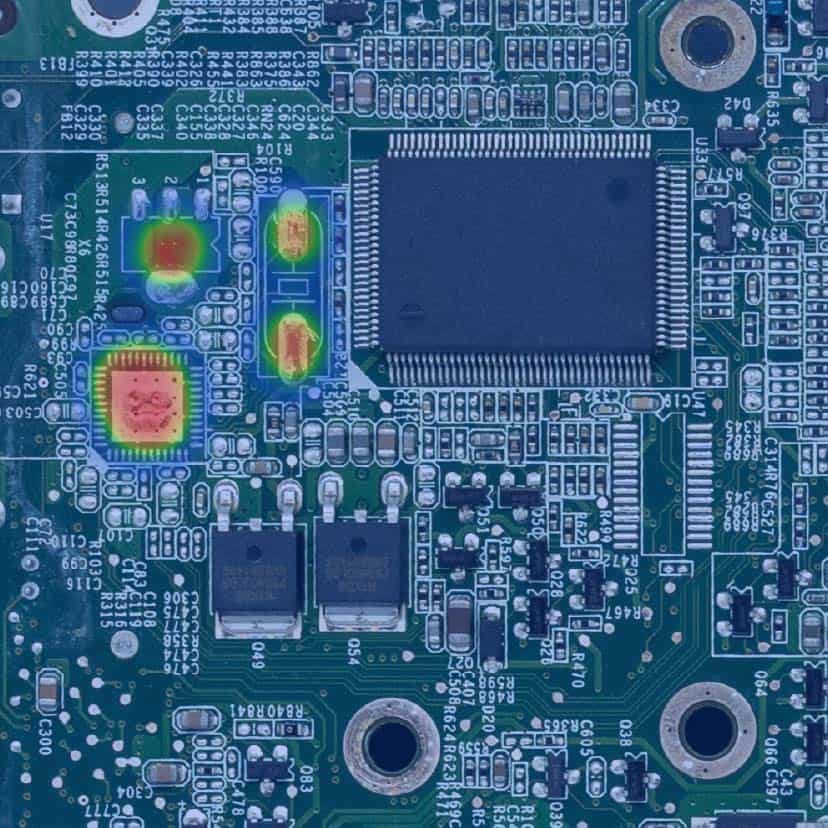
Our deep learning platform is ideally suited to applications where rule-based approaches are challenging or fail. This applies above all to inspection applications with a wide range of variants and defect characteristics, such as varying surface and structural properties. The MABRI.VISION platform can be used optimally where, due to complexity, inspection is carried out primarily manually using defect catalogs.
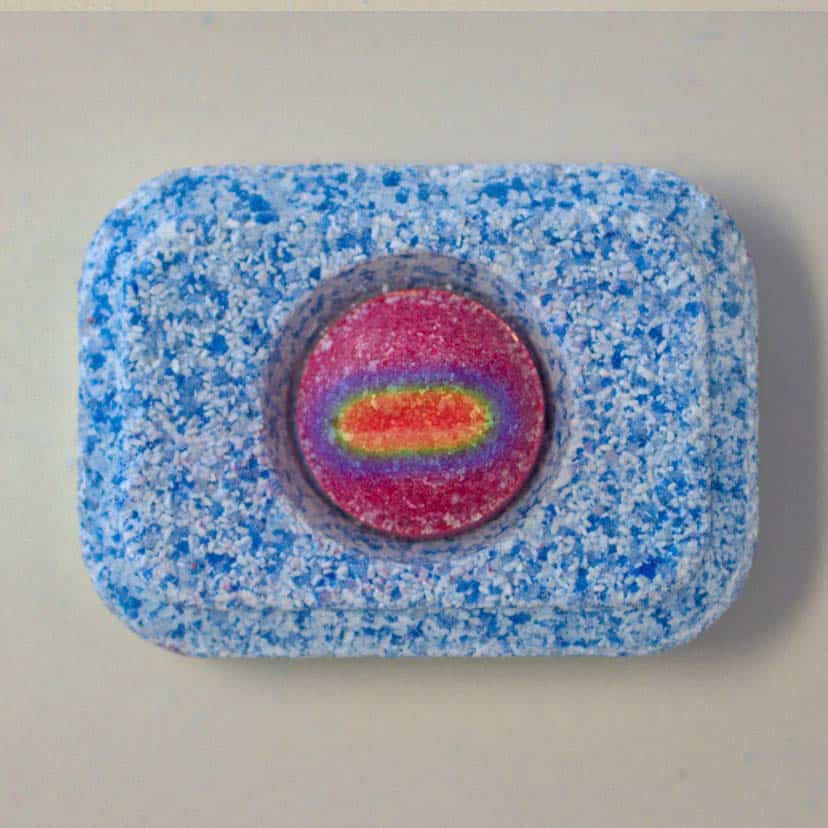
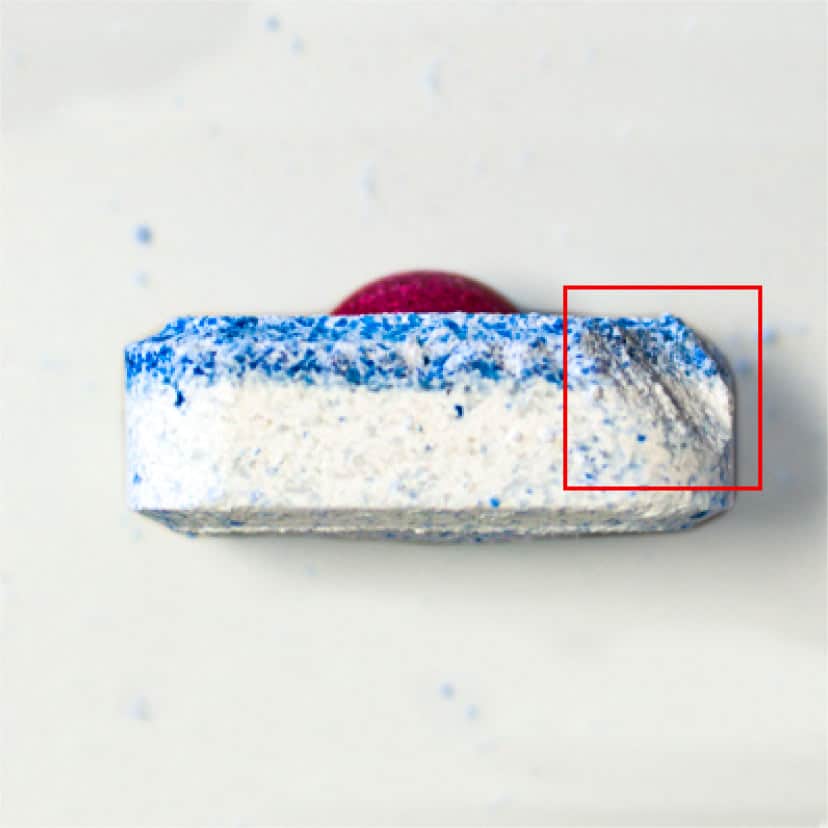
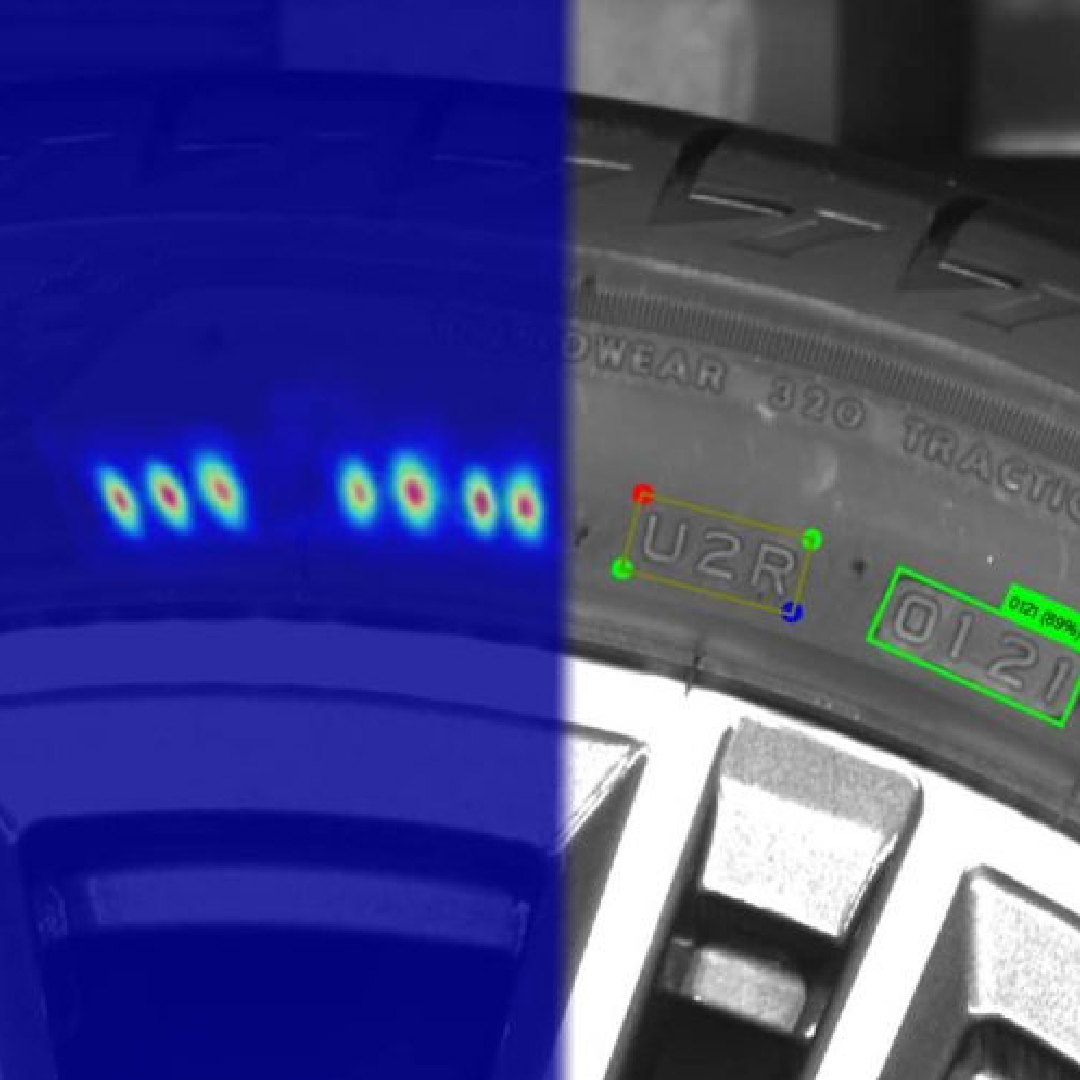
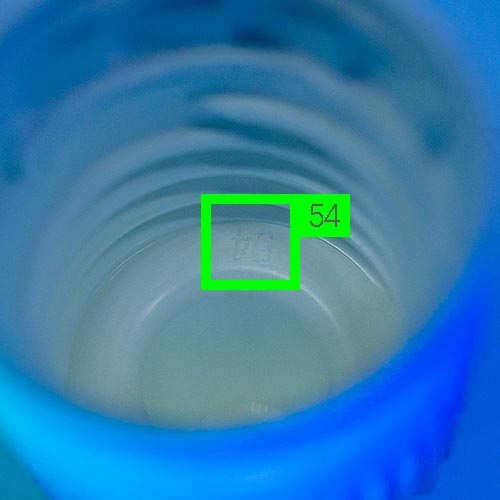
Classification forms the basis for many tasks in quality assurance. In use, time-consuming labeling of data is not required – categorizing images is sufficient.
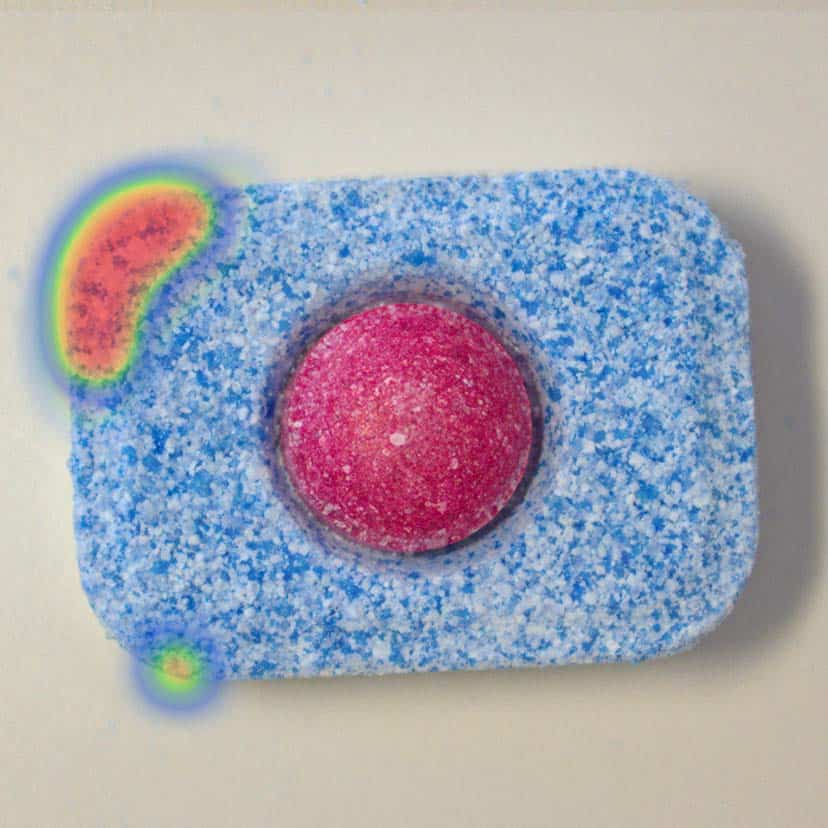
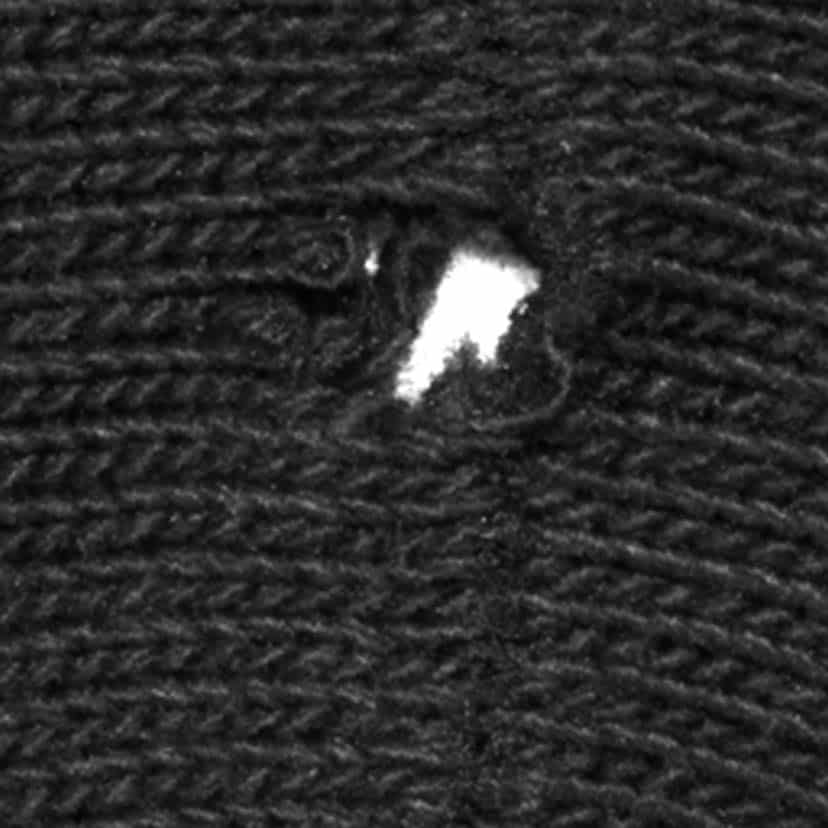
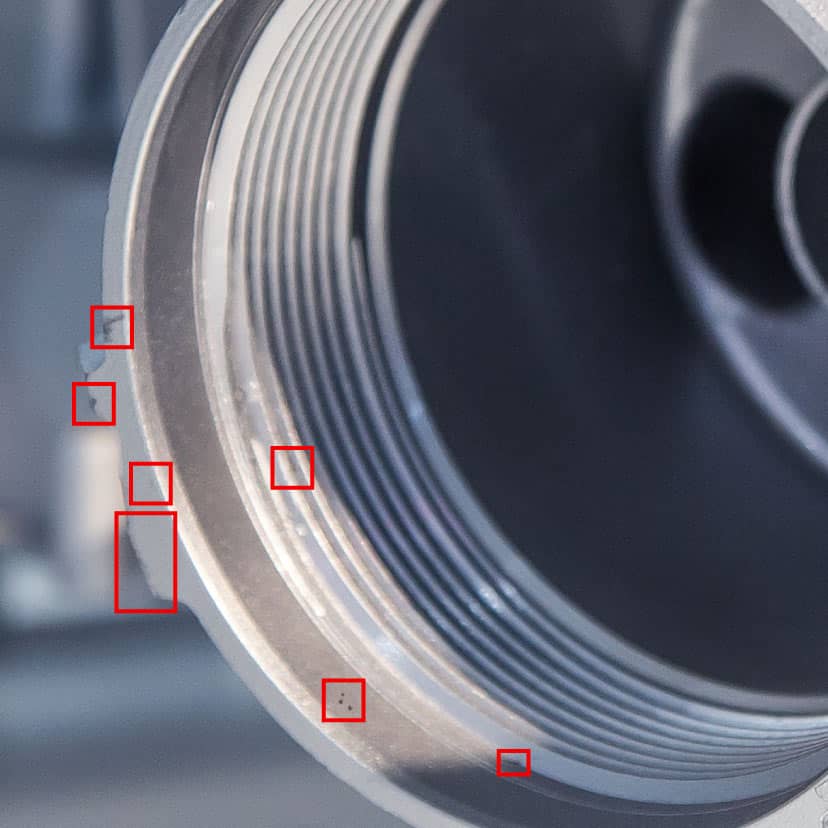
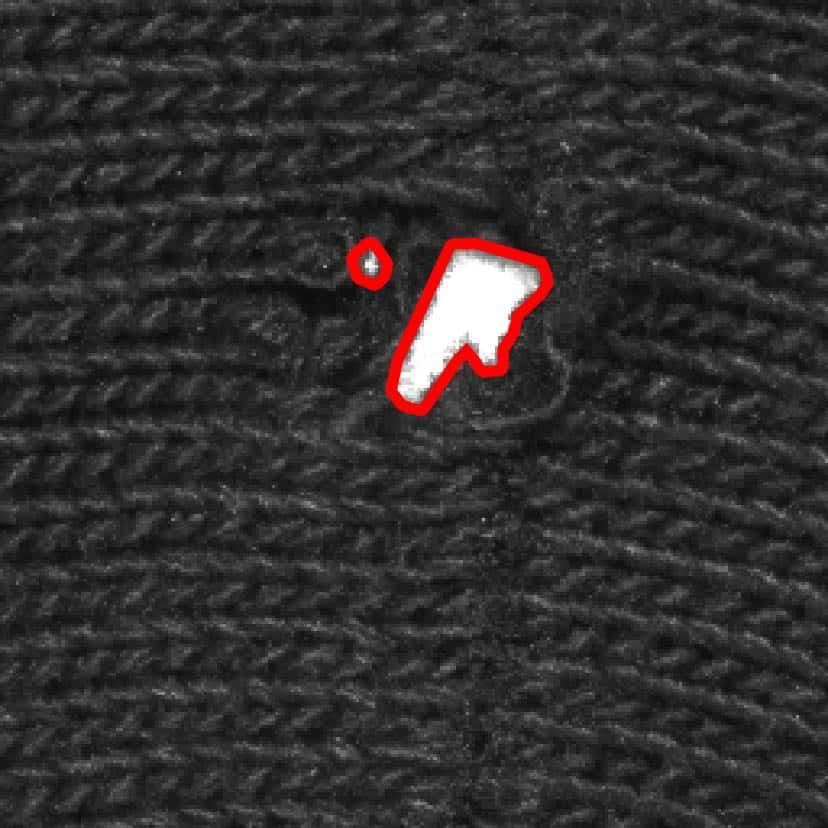
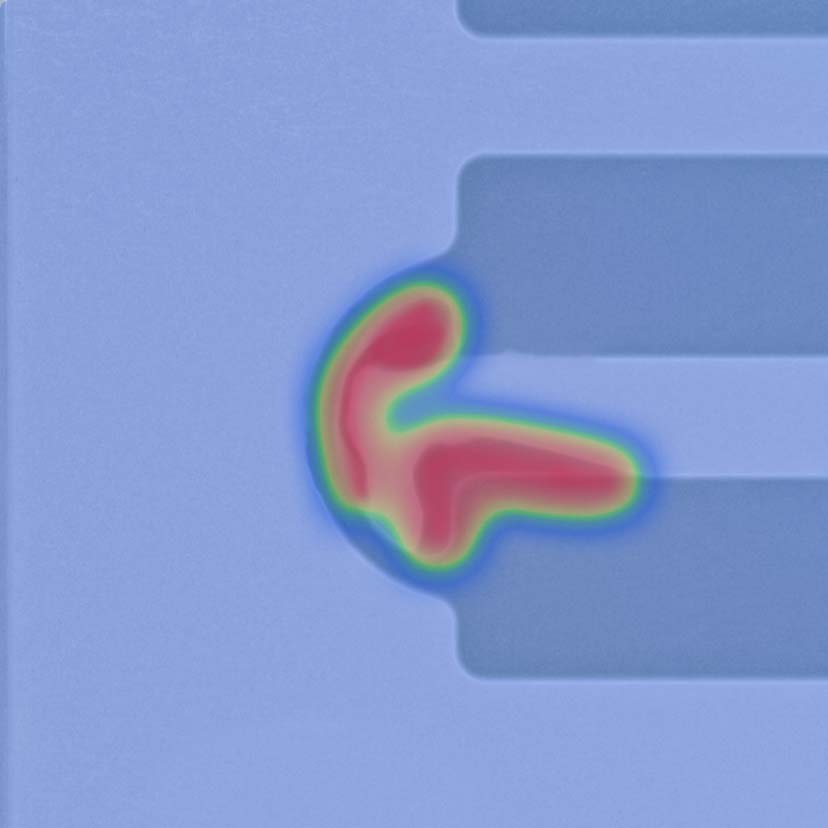
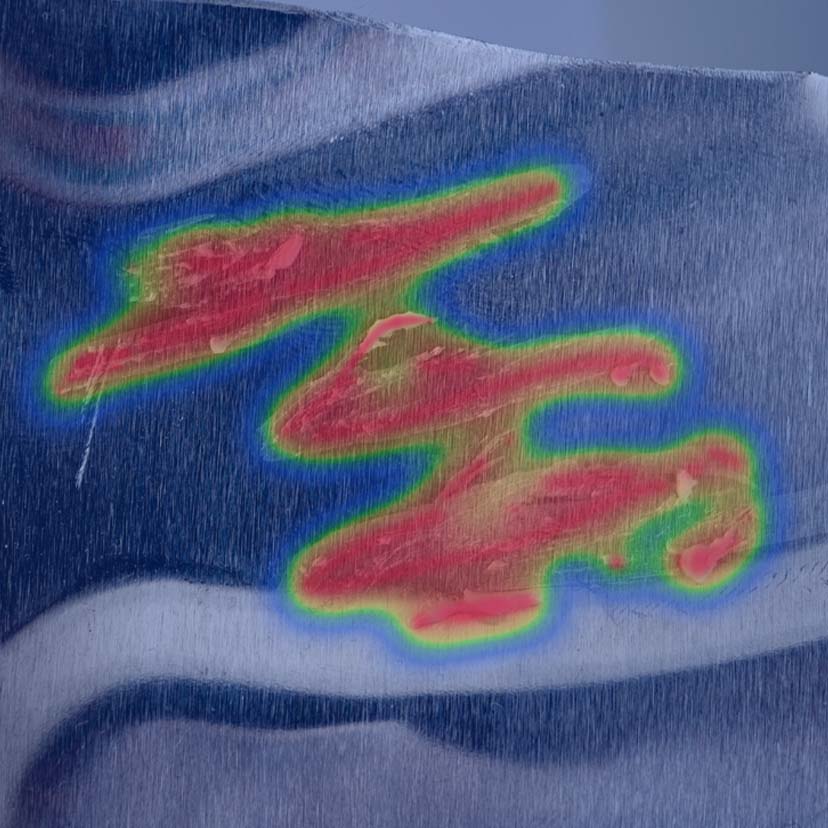
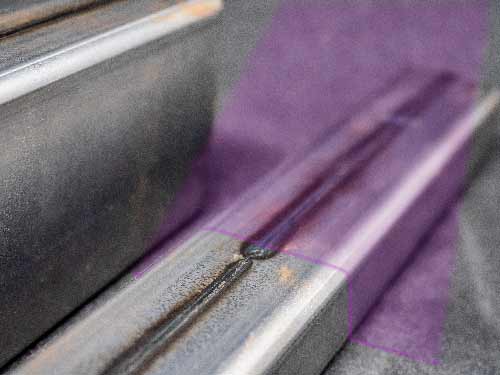
Segmentation is important whenever objects, structures or defects have to be detected and delimited very precisely. This information can be used, for example, for process optimization
MABRI.VISION supplies you with everything you need for your application. This way you avoid using partial solutions and isolated solutions that do not mesh with each other and are therefore difficult to maintain. In addition to the software application, we primarily supply the necessary sensor systems, inspection platforms and services for your production process.
By using our lean AI platform, challenging applications in the industrial environment can also be solved cost-effectively. Manual and time-consuming inspection steps can thus be eliminated.
Deep learning technology makes it possible to solve applications that are very challenging with classical image processing or cannot be solved satisfactorily. This opens up completely new possibilities in quality assurance.
As a universal solution provider for optical production measurement technology, we take a close look at your application. We use our deep learning technologies only when, and to the extent that, it makes sense for the application. This way you avoid false results and excessive development costs. In addition, we cover all other essential building blocks in quality assurance, including, for example, calibration and traceability.
One challenge of current industry development trends is modular production with ever shorter production cycles. With machine learning methods you stay flexible and can adapt your production adaptively and independently.
Development in the field of deep learning is progressing very quickly. Our AI platform is therefore continuously extended and relies on established standards in research & development. This continuous development enables you to use the latest technologies in the future as well.
Wherever rule-based approaches are difficult to implement, machine learning methods are a good fit.
Deep learning methods are based on artificial neural networks. These networks are inspired by (biological) neural networks, i.e. part of a nervous system. Artificial neural networks are built in layers. A layer or level consists of several artificial neurons. Between an input and an output level there are several hidden levels. The structure gets the name “deep” neural network precisely because of these hidden levels.